
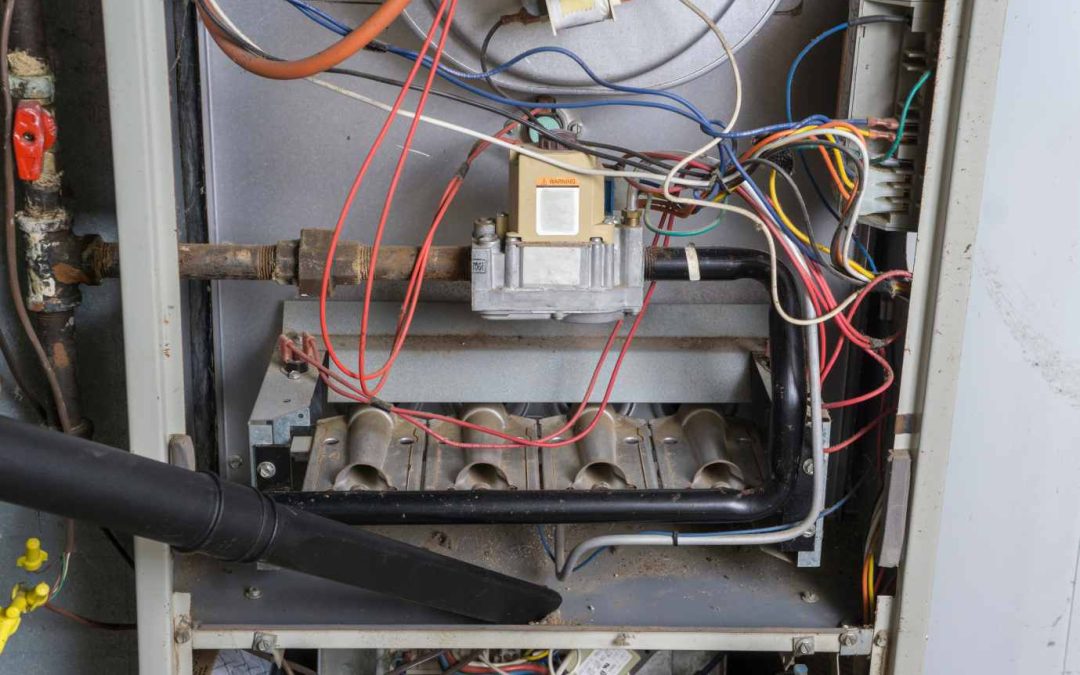
When you first turn on your furnace for the season, some sounds like soft clicking and the whoosh of air are completely normal. However, loud bangs, persistent screeching, or grinding noises are warning signs of potential problems. These sounds often indicate issues like delayed gas ignition or failing motor parts, which require immediate attention from a professional HVAC technician to ensure your system is operating safely and efficiently for the Siouxland winter ahead.
A few brief furnace sounds are normal, but persistent or loud noises signal a problem. Here’s what to listen for when your furnace starts:
- Listen for Loud Bangs: A single, loud boom can indicate a serious ignition problem.
- Don’t Ignore Squeals: High-pitched screeching often points to a failing blower motor or belt.
- Identify Rattling: While it can be a simple loose panel, rattling can also signal a more complex issue.
- Note the Difference: Pay attention to whether a sound is brief during startup or continues while the furnace runs.
- When in Doubt, Call: Never hesitate to contact an expert if a sound makes you uncomfortable.
Table of Contents
- Normal Furnace Sounds You Can Ignore
- Warning Signs: Furnace Noises That Need a Professional
- A Step-by-Step Guide: What to Do When You Hear a Strange Noise
- When to Call O’Connor Heating & Cooling
- Frequently Asked Questions About Furnace Noises
Normal Furnace Sounds You Can Ignore
As the temperatures drop in Siouxland, that first furnace startup of the season can be nerve-wracking. Thankfully, many of the sounds you hear are simply signs that your system is waking up from its summer slumber.
Clicking
A series of soft clicks just before the blower kicks on and just after it shuts off is perfectly normal. This is the sound of the gas valve and ignition system doing their job.
A Brief “Whoosh”
When your furnace first ignites, you may hear a gentle “whoosh” or “whump” sound. This is the burners lighting and is a normal part of the startup sequence.
Humming or Whirring
A steady, low hum from your furnace is the sound of the blower motor running correctly. It’s the sound of warm air being prepared for circulation through your home.
Pinging and Popping from Ducts
After the heat is on for a few minutes, you may hear light pinging or popping noises coming from your vents or walls.
Definition: Thermal Expansion is the tendency of matter to change its shape, area, and volume in response to a change in temperature. The metal in your ductwork expands as it heats up and contracts as it cools, causing these harmless sounds.
Warning Signs: Furnace Noises That Need a Professional
While some noises are harmless, others are your furnace’s way of crying for help. Ignoring these sounds can lead to more expensive repairs or a complete system breakdown when you need it most.
| Sound | What It Could Mean | Action to Take |
| Loud Bang or Boom | Delayed ignition. Gas builds up before it ignites, causing a mini-explosion. This can crack your heat exchanger. | Serious. Turn off the furnace and call a professional immediately. |
| Screeching or Squealing | A problem with the blower motor, often due to a worn-out bearing or a loose belt. | Needs urgent attention. A failed motor will leave you without heat. |
| Scraping or Grinding | A severe mechanical issue, like a broken motor mount or a piece of the blower wheel has come loose. | Dangerous. Shut the system down immediately to prevent further damage. |
| Persistent Rattling | Could be a simple loose access panel, or it could be a sign that the blower assembly is failing. | Check for loose panels. If you can’t find the source, call for a diagnosis. |
A Step-by-Step Guide: What to Do When You Hear a Strange Noise
Hearing a new, concerning sound from your furnace can be alarming. Follow these steps to stay safe and get the problem addressed.
- Identify the Sound: Pay close attention to what the noise sounds like (a bang, squeal, rattle?) and when it occurs (on startup, during operation, or shut down?).
- Do Not Ignore It: Hope is not a strategy. If the sound is new and alarming, it’s a sign that something has changed within your system.
- Perform a Quick Visual Check: Look for anything obvious, like a loose cover panel that might be rattling. Do not attempt to open up the furnace or make repairs yourself.
- Shut the System Down (If Necessary): If you hear a loud bang, a grinding sound, or a high-pitched squeal, turn your furnace off immediately at the thermostat, then shut off the power at the breaker or furnace switch.
- Call a Trusted Professional: Contact a certified HVAC technician. Describe the sound in as much detail as possible so they can diagnose the issue efficiently.
When to Call O’Connor Heating & Cooling
Your home’s heating system is complex and vital for navigating our Iowa and Nebraska winters. If you hear any of the warning signs listed above—or any other sound that leaves you feeling uneasy—don’t wait for a breakdown. The experienced technicians at O’Connor Heating & Cooling have the tools and expertise to diagnose the problem safely and get your heat running reliably again.
Frequently Asked Questions About Furnace Noises
Why does my furnace make a loud bang when it turns on? A loud bang is typically caused by delayed ignition. This happens when the gas in your furnace builds up for a few seconds before it ignites, creating a small, forceful explosion. This is a serious issue that needs immediate professional repair.
Is a clicking furnace dangerous? Soft clicking before and after a cycle is normal. However, if the clicking is rapid and continuous and your furnace fails to ignite, it could be a faulty ignitor or sensor. It’s best to have it inspected.
What does a failing blower motor sound like? A failing blower motor often makes a high-pitched screeching or squealing sound, similar to a car’s worn-out belt. You might also hear a grinding noise if the bearings are completely shot.
Can I fix a rattling furnace myself? Sometimes, a rattling noise is just a loose access panel that you can tighten. However, if the rattling persists or seems to be coming from deep within the unit, it requires a professional diagnosis.
Why does my furnace sound louder than it used to? An increase in the overall operating noise of your furnace can be a sign of aging components or airflow issues. Regular maintenance can help identify the cause before it becomes a major problem.
How much does it cost to diagnose a furnace noise in Sioux City? The cost for a diagnostic service call can vary. At O’Connor Heating & Cooling, we believe in transparent pricing. Give us a call, and we can provide you with information on our service fees and schedule a visit.
Don’t let a strange furnace sound disrupt your comfort this fall. By understanding what’s normal and what’s a warning sign, you can take action to keep your home warm and safe all winter long.
By the O’Connor Heating & Cooling Team Last updated: October 2, 2025 Your Trusted Siouxland HVAC Experts
Recent Comments