
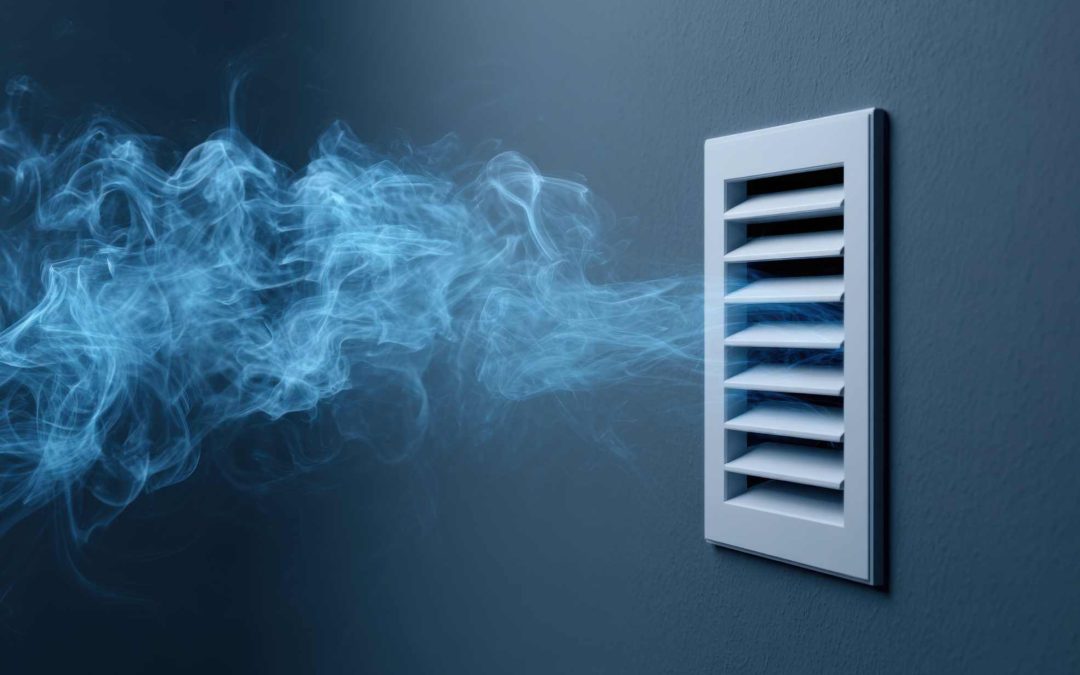
Radon levels in Siouxland homes are typically highest during the winter months because the “stack effect” creates a vacuum that pulls soil gas upward through foundation cracks. Since windows remain closed to keep out the Iowa cold, this colorless, odorless gas becomes trapped inside, reaching concentrations that often exceed EPA safety limits. Utilizing your HVAC system’s filtration and ensuring proper pressure balance are the most effective ways to manage these risks and protect your family’s long-term respiratory health.
Radon is a significant health risk in our region, but understanding how your home breathes can help you manage it.
- Test Now: Winter is the most accurate time to find your home’s “worst-case” radon levels.
- Check the “Stack Effect”: Warm air rising out of your attic pulls radon-rich air up from the basement.
- Maintain Airflow: Ensure your ductwork is clear to prevent pressure imbalances.
- Invest in IAQ: High-efficiency filters and air purifiers help manage the particulates that radon attaches to.
Why Iowa and South Dakota are “Zone 1” for Radon
Our region is unique. The EPA classifies nearly every county in the Siouxland area—including Woodbury (IA), Union (SD), and Dakota (NE)—as Zone 1, meaning they have the highest potential for elevated radon levels.
Definition: Radon Gas Radon is a naturally occurring radioactive gas produced by the breakdown of uranium in the soil. It is colorless, odorless, and tasteless, making it impossible to detect without specialized testing equipment.
In Iowa, approximately 5 out of 7 homes have radon levels above the EPA’s action level of 4.0 pCi/L. Because we spend 90% of our time indoors during February, the cumulative exposure during these months is a primary concern for local health officials.
The Science of the Winter
You might wonder why radon is worse now than in the summer. The answer lies in physics. When you crank up your heating system to fight the South Dakota wind, you inadvertently create a vacuum.
- Warm Air Rises: As your furnace heats your home, the warm air naturally rises toward the upper floors and leaks out through the attic.
- Pressure Drops: This leaves the lower levels of your home (the basement) at a lower pressure than the soil outside.
- The Vacuum Pull: To equalize the pressure, your home “sucks” air in from the ground through cracks in the foundation, sump pumps, and floor drains.
- Gas Accumulation: Since the house is sealed for winter, the radon has nowhere to go and builds up to dangerous levels.
How Your HVAC System Influences Radon Levels
Your HVAC system is the “lungs” of your home. If those lungs aren’t functioning correctly, radon and other pollutants can linger longer.
- Clogged Filters: Restricts airflow and can cause pressure imbalances that pull in more soil gas. Replace filters every 30-90 days.
- Leaky Ductwork: Can create “negative pressure” zones in the basement, accelerating radon entry. Consider a professional system inspection.
- Blocked Returns: Prevents the system from circulating air properly, allowing radon to pool in corners. Ensure all return vents are unobstructed by furniture or rugs.
Proactive Steps for a Healthier Siouxland Home
While a standard HVAC system isn’t a “radon mitigation system,” it plays a vital role in Indoor Air Quality (IAQ).
- Continuous Ventilation: Some modern thermostats allow you to run the “Fan” mode independently of the heat. This keeps air moving and prevents radon from stagnating in the basement.
- Whole-Home Air Purifiers: Radon decay products (progeny) often attach themselves to dust particles. High-efficiency filtration can help remove these “hitchhiking” particles from the air you breathe.
- Retest After Upgrades: If you recently installed a high-efficiency furnace or did significant air sealing, your home’s pressure has changed. You should always retest for radon after any major HVAC or insulation project.
Frequently Asked Questions
Why should I test for radon in February? Winter provides the most “conservative” reading. Because the house is closed and the stack effect is strongest, a winter test shows you the highest levels of radon your family is likely to be exposed to.
Can O’Connor fix my radon problem? While we specialize in HVAC and air quality, radon mitigation requires a specific license. However, we can help ensure your HVAC system isn’t making the problem worse by fixing pressure imbalances.
Does a high-efficiency furnace help with radon? A high-efficiency (90%+) furnace uses a dedicated PVC pipe for outside air, meaning it doesn’t “steal” as much air from the room. This can slightly reduce the negative pressure that pulls radon into the home.
Will opening windows for 10 minutes fix the issue? Opening windows provides temporary relief by diluting the air, but as soon as they are closed, radon levels will return to their previous state within 12 to 24 hours. Permanent solutions are needed for long-term safety.
What is the “Action Level” for radon? The EPA recommends taking action if your home tests at or above 4.0 picocuries per liter (pCi/L). However, they also suggest considering mitigation if levels are between 2.0 and 4.0 pCi/L.
Does duct cleaning remove radon? Duct cleaning does not remove the gas itself, but it does remove the dust and debris that radioactive radon particles cling to. This is a key part of a comprehensive indoor air quality strategy.
Protecting Your Siouxland Home This Winter
At O’Connor Heating & Cooling, we believe that true home comfort isn’t just about the temperature on the thermostat—it’s about the safety of the air your family breathes. In our corner of the Midwest, being proactive about radon and air quality is a necessary part of responsible homeownership.
Want to improve your home’s air quality this winter? * Learn more about our Heating Services
- Discover how to improve Indoor Air Quality
- See the benefits of Duct Cleaning
- Contact O’Connor Today for a free estimate
By: The O’Connor Heating & Cooling Team
Last Updated: February 5, 2026
Serving the Sioux City community with expert heating, cooling, and air quality solutions for nearly 20 years.
Recent Comments