
Is the air in your Sioux City home working against your HVAC system? Many homeowners diligently adjust their thermostats but often overlook a critical, invisible factor that significantly impacts home comfort and the performance of their heating and cooling systems: humidity. Here in the Siouxland region, encompassing Sioux City, IA, North Sioux City, SD, and South Sioux City, NE, we experience a wide range of weather conditions. Managing indoor humidity effectively is key to an efficient and comfortable home environment.
At O’Connor Heating & Cooling, a locally-owned and operated company with nearly two decades of dedicated HVAC experience in the Sioux City area, we understand that achieving optimal home comfort goes beyond just the temperature setting. Weather-related factors, especially humidity, can pose significant challenges to HVAC systems, affecting their operation, efficiency, and lifespan. Often, homeowners might attribute high energy bills or persistent discomfort solely to an aging HVAC unit or a potential malfunction. However, unmanaged humidity can be a primary culprit, leading to inefficient operation and unnecessary strain on your valuable system. This post will help you understand humidity, its effects on your Air Conditioning and Heating systems, and how our experienced team can help you find effective solutions in communities like Dakota Dunes, SD, and Sergeant Bluff, IA.
Understanding Humidity: More Than Just “Stickiness” or “Dryness”
When we discuss humidity in your home, we’re typically referring to “relative humidity.” In simple terms, relative humidity measures the amount of water vapor present in the air, expressed as a percentage of the maximum amount the air could hold at its current temperature. Think of air as a sponge: warmer air is like a bigger sponge, capable of holding more moisture. This is why a hot summer day can feel “heavy” or “sticky,” while a cold, dry winter day often feels “crisp.” For homeowners, understanding relative humidity is crucial because it directly affects how comfortable you feel and, importantly, how hard your HVAC system has to work.
The relationship between temperature and relative humidity is dynamic. As your air conditioner cools the air, if it doesn’t also effectively remove moisture, the relative humidity inside can actually increase. This occurs because cooler air has a lower capacity to hold moisture. So, even if the absolute amount of water vapor in the air remains constant, as the air cools, it gets closer to its saturation point (the dew point). This is why an oversized air conditioner that cools your home too quickly—a process known as short-cycling—can leave a room feeling cool but uncomfortably damp or clammy. The unit shuts off before it has had adequate time to remove sufficient moisture. At O’Connor Heating & Cooling, we help you understand these important nuances to ensure true, lasting comfort in your home.
The Double-Edged Sword: How Humidity Levels Sabotage HVAC Efficiency
Humidity doesn’t just affect how you feel; it directly impacts your HVAC system’s ability to perform its job efficiently. Both excessively high and surprisingly low humidity levels can cause a host of problems for your system and your comfort.
A. High Humidity Headaches: When Your Iowa/Nebraska/South Dakota Summer Air Fights Your AC
During our warm, humid summers in areas like Lawton, IA, and Elk Point, SD, high humidity can make the air feel significantly warmer than the actual thermostat setting. This perception forces your air conditioner to work harder and run longer, not just to cool the air (remove sensible heat), but also to extract the excess moisture (remove latent heat). This increased workload leads to several undesirable issues:
- Reduced Cooling Efficiency: When humidity levels climb, particularly above 60%, your HVAC unit’s cooling process becomes less efficient. It’s essentially fighting a battle on two fronts: heat and moisture.
- Increased Energy Consumption: Because the system runs longer and harder to combat both temperature and humidity, your energy bills can rise substantially. Even a modest 10% increase in humidity can lead to a significant 5-15% increase in energy costs.
- Premature Wear and Tear: The extra strain placed on critical components like the compressor and fan motor can shorten your HVAC equipment’s operational lifespan, leading to earlier replacements. If you have an older, less efficient, or improperly sized system, it may struggle significantly to manage high humidity, leaving your home feeling warmer and damper than desired despite its efforts.
- Mold and Mildew Growth: Excess moisture creates the perfect breeding ground for mold and mildew within your HVAC system and throughout your home. Mold can begin to develop in damp conditions within just 24-48 hours, potentially damaging your home and triggering allergies and asthma.
This creates a challenging cycle: the harder your AC works to dehumidify, the more energy it consumes. If it can’t effectively remove moisture, that lingering dampness can lead to mold growth on coils or in ductwork. This contamination can then insulate the coils or restrict airflow, further reducing the system’s efficiency and compromising indoor air quality. This forces the system into an even tougher battle, accelerating wear and increasing operational costs. Furthermore, because the “feels like” temperature is higher with more humidity, occupants often lower their thermostat settings even further, believing the AC isn’t cooling enough. This over-cooling attempt strains the AC more and wastes energy, often without achieving true comfort, as the core issue of excess moisture remains unaddressed. Our team at O’Connor Heating & Cooling, with nearly two decades of local HVAC experience, frequently encounters and expertly resolves these complex humidity-related AC challenges.
B. The Dry Air Dilemma (Low Humidity): More Than Just Static Shock
While high humidity is a common summer complaint, low humidity, especially during our cold winters in Hinton, IA, and Moville, IA, presents its own distinct set of problems for both your comfort and your HVAC system:
- Reduced Heating Efficiency: Dry air doesn’t hold heat as well as properly humidified air. This means your heating system may struggle to maintain a consistent, comfortable temperature, often leading you to crank up the thermostat and ultimately resulting in higher heating costs.
- Physical Discomfort: Low humidity can make the air feel colder than it actually is, causing discomfort. It also dries out your skin, lips, and nasal passages, potentially leading to irritation, sore throats, and increased susceptibility to colds and viruses as your body’s natural defenses are compromised. Sleep quality can also suffer.
- Damage to Your Home and Furnishings: Dry air acts like a sponge, pulling moisture from everything around it. This can cause wooden floors, furniture, trim, and even musical instruments to shrink, warp, or crack over time. You might also notice peeling paint or wallpaper in excessively dry conditions.
- HVAC System Strain: Over time, persistently dry air can cause seals and even ductwork components within your HVAC system to degrade, becoming brittle and potentially leading to leaks that reduce efficiency.
Low humidity can subtly increase heating costs beyond just making you feel colder. As wooden elements in your home (like window and door frames) dry out and shrink, small gaps can appear. These gaps allow cold outdoor air to infiltrate your home, forcing your heating system to work harder and longer to compensate. Additionally, the degradation of HVAC seals and ductwork from dry air can lead to a slow, often unnoticed decline in system efficiency. Leaky ductwork means lost heated air and can also pull dusty, unconditioned air into your living spaces, diminishing indoor air quality and further straining your system. O’Connor Heating & Cooling understands these year-round challenges across the Midwest climate.
Tell-Tale Signs: Is Your Home’s Humidity Out of Whack?
Recognizing the signs of a humidity imbalance is the first crucial step to addressing the problem effectively. Residents in communities like Le Mars, IA, and Merrill, IA, should watch for these common indicators:
Signs of High Humidity:
- A persistent clammy or sticky feeling on your skin.
- Lingering musty or mildewy odors, particularly in basements, closets, or less-ventilated areas.
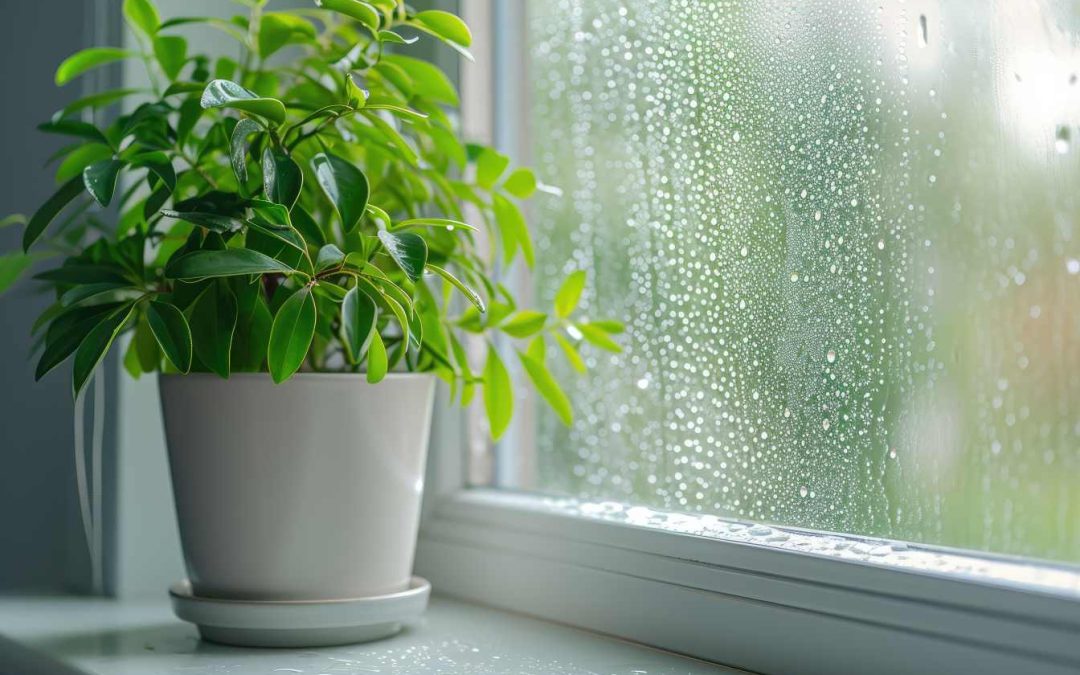
- Condensation forming on windows, mirrors, or cold pipes.
- Visible mold spots, especially in bathrooms, around window sills, or in corners.
- Warped wooden furniture, doors that stick, or buckling wood floors.
- Peeling paint or wallpaper.
- Aggravated allergies or asthma symptoms, as high humidity encourages the proliferation of dust mites and mold.
Signs of Low Humidity:
- Frequent static electricity shocks when touching doorknobs, light switches, or other surfaces.
- Dry, itchy skin, chapped lips, and persistently dry or sore throats.
- Irritated nasal passages, an increase in nosebleeds, or a higher frequency of colds.
- Warping or cracking of wooden furniture, floors, or interior trim.
- Houseplants that dry out very quickly or show visible signs of stress.
- Feeling chilly even when the thermostat is set to what should be a comfortable temperature.
It’s important to note that some of these symptoms can be mistaken for other issues. For instance, allergy flare-ups might be blamed solely on seasonal pollen, or persistent cold symptoms attributed just to “being that time of year.” However, your indoor humidity level could be a significant contributing factor that, if corrected, might offer considerable relief and improved comfort.
Finding the Sweet Spot: Ideal Indoor Humidity for Iowa/Nebraska/South Dakota Homes
So, what is the ideal humidity level for your home to ensure comfort, health, and HVAC efficiency? Most experts, including the U.S. Environmental Protection Agency (EPA) and the American Society of Heating, Refrigerating and Air-Conditioning Engineers (ASHRAE), agree on a general range. The EPA suggests keeping indoor humidity between 30% and 50%. ASHRAE guidelines recommend a similar range, typically between 30% and 60% year-round, for optimal thermal comfort and health. Levels below 20% in winter or above 60% in summer are generally considered less desirable.
Maintaining humidity within these recommended ranges helps minimize mold growth, can reduce the viability and spread of some airborne viruses, protects your home’s wooden furnishings from damage due to excessive dryness or moisture, and significantly enhances your overall thermal comfort. Achieving these balanced levels might require active dehumidification during our humid summer months and humidification during the dry winter season.
It’s also worth noting that the “ideal” level can sometimes be influenced by your home’s specific characteristics, such as its age, insulation levels, and the type of windows installed, as well as the prevailing outdoor weather conditions. For example, during very cold winter weather, maintaining an indoor humidity at the higher end of the ideal range (e.g., 50-60%) might lead to condensation on older, less insulated windows. In such cases, aiming for the lower end of the ideal range or considering window and insulation upgrades might be necessary. O’Connor Heating & Cooling helps homeowners in Sloan, IA, and Onawa, IA, understand these factors and achieve balanced humidity levels tailored to their homes.
Take Control: O’Connor Heating & Cooling’s Solutions for Balanced Humidity & Peak HVAC Performance
At O’Connor Heating & Cooling, we’re not just about heating and cooling; we’re about creating comprehensively comfortable, healthy, and efficient indoor environments for our valued customers throughout Sioux City and surrounding communities like Ponca, NE, and Akron, IA. With our nearly two decades of hands-on HVAC experience and unwavering commitment to complete customer satisfaction, we offer a range of effective solutions to manage indoor humidity and optimize your HVAC system’s performance.
- Expert Air Conditioning and Heating System Maintenance: Regular professional maintenance is paramount for efficiency and humidity control. Our licensed, bonded, and insured technicians perform thorough tune-ups that include cleaning coils, checking refrigerant levels, ensuring proper airflow, and inspecting condensate drainage systems. Clogged drains are a common cause of HVAC system failures and can contribute to moisture problems. A well-maintained air conditioner is inherently more effective at dehumidification as part of its cooling cycle. Dirty filters and coils significantly reduce both cooling efficiency and humidity control capabilities.
- High-Efficiency Rheem Systems: As an authorized Rheem installer, we can recommend and install modern, energy-efficient HVAC systems. Many newer systems, particularly variable-speed units, offer superior humidity control because they can run for longer periods at lower capacities. This allows for more effective moisture removal without overcooling your home, leading to greater comfort and energy savings.
- Whole-Home Dehumidifiers & Humidifiers: For precise and effortless humidity control throughout your entire home, whole-home dehumidifiers and humidifiers that integrate directly with your existing HVAC system are often the best and most effective solution.
- Dehumidifiers: Essential during our humid summers, these units work in tandem with your air conditioner to efficiently remove excess moisture from the air. This reduces the strain on your AC, improves comfort significantly, and helps prevent mold growth.
- Humidifiers: During dry winter months, whole-home humidifiers add necessary moisture back into the air, alleviating the discomfort of dry skin and irritated sinuses, protecting your home’s valuable woodwork, and making your home feel warmer and more comfortable at lower thermostat settings.
- Duct Cleaning: Clean ductwork is vital for both optimal air quality and system efficiency. Over time, ducts can accumulate dust, debris, and even mold, especially in humid conditions. This accumulation restricts airflow and can circulate contaminants throughout your home. Our professional Duct Cleaning services ensure your air pathways are clear and clean, contributing to better humidity management.
- Geothermal Systems: For those considering a significant system upgrade, Geothermal heating and cooling systems, which we also expertly install, are known for providing excellent and consistent humidity control due to their unique operational patterns and stable energy source.
Investing in proper humidity control solutions is more than just an expense; it’s an investment in your home’s health, your family’s comfort, and your HVAC system’s longevity and efficiency. The return on this investment can be seen in lower energy bills, a reduced likelihood of costly repairs (including potential mold remediation), improved respiratory health for occupants, and the preservation of your home’s structure and furnishings. We are committed to providing superior workmanship, high-quality materials, and cost control to ensure you get the best possible value.
DIY Tips to Support Your HVAC and Manage Home Humidity
While professional solutions from O’Connor Heating & Cooling offer the most comprehensive and effective control over your indoor environment, there are several practical steps homeowners in Salix, IA, and Remsen, IA, can take to help manage indoor humidity levels:
- Strategic Ventilation: Use your kitchen and bathroom exhaust fans every time you cook or shower, and let them run for about 20 minutes afterward to effectively vent out excess moisture. If the outdoor air is less humid than indoors, consider opening windows for natural ventilation, but keep them closed if outdoor humidity is high to prevent bringing more moisture inside.
- Manage Moisture Sources: Ensure your clothes dryer is properly vented to the outside. If possible, dry laundry outdoors. If drying indoors is necessary, consider using a dehumidifier in the area. Promptly fix any leaking pipes or faucets, as these can contribute significantly to excess indoor moisture.
- Smart Thermostat Use: Utilize programmable or smart thermostats to optimize your cooling and heating schedules. Some advanced smart thermostats can even help manage humidity by adjusting system operation based on detected humidity levels or your preferences.
- Air Sealing & Insulation: Diligently check for and seal air leaks around windows, doors, electrical outlets, and pipe penetrations. Proper air sealing and adequate insulation help prevent humid outdoor air from entering in the summer and keep conditioned, humidified indoor air from escaping in the winter.
- Houseplants: While generally beneficial for air quality, be mindful of the number of houseplants if your home already tends to be humid, as they release moisture into the air through transpiration.
Many of these DIY tips offer synergistic benefits. For example, sealing air leaks not only aids in humidity management but also significantly reduces your heating and cooling loads, saving energy and preventing outdoor pollutants from entering your home. These practices support a healthier, more energy-efficient indoor environment year-round.
Breathe Easy and Save Money with O’Connor Heating & Cooling
Managing your home’s indoor humidity is a critical component of overall HVAC efficiency, energy savings, personal comfort, and even the health of your family and the structural integrity of your home. From the sticky, oppressive days of summer in Kingsley, IA, to the dry, crisp winter air in Burnsville, IA, and across our entire service area including North Sioux City, SD, and South Sioux City, NE, unbalanced humidity can take a significant toll on your quality of life and your wallet.
But you don’t have to navigate these complex challenges alone. O’Connor Heating & Cooling is dedicated to providing residents throughout the Sioux City, Iowa area and surrounding communities with expert solutions and reliable, timely service. Our foundational commitment to “complete satisfaction through open communication, timely service, superior workmanship, high-quality materials and products, and cost control” is at the heart of everything we do. As an authorized Rheem installer, we bring you top-quality, dependable equipment backed by our extensive local experience and dedication to excellence. We even offer financing options through FTL Finance to help make these important home comfort and efficiency improvements more accessible and affordable.
Ready to optimize your home’s comfort and enhance your HVAC system’s efficiency? Don’t let unbalanced humidity compromise your system’s performance or your family’s well-being. The experienced, friendly team at O’Connor Heating & Cooling is here to help residents throughout Sioux City, IA, and our wide service area, including Jefferson, SD, and Dakota City, NE.
Contact Us at O’Connor Heating & Cooling today at 712-490-7827 for a consultation or to schedule service. You can also request an Estimate online through our website.
For urgent issues, remember our 24/7 emergency service, accessible via our Contact Page, is available to ensure you’re never left uncomfortable or unsafe. For more helpful tips and valuable information on maintaining a comfortable and efficient home, be sure to visit our(https://oconnorhvacscia.com/blog/).
Recent Comments